Amazon storefront cost for creators, and what a free storefront quietly costs you
An Amazon storefront is free for creators, and since April 14, 2026 completing registration is enough to get one. The real cost is what it cannot hold and what it cannot credit. Here is the arithmetic against a paid storefront.
Read your post as your collection. This is a preview of the cards Favly builds. Your own links go on in the studio.
Curated by · affiliate links clearly labeled
Estimated monthly
from monetized favorites
$
Estimated and illustrative, not a guarantee. Real earnings depend on your audience and what fans buy.
An Amazon storefront costs a creator nothing. There is no setup fee, no monthly charge and no cut taken from your commission, and since Amazon's April 14, 2026 update, completing registration is enough to get one, not only approval into the Amazon Influencer Program. You earn Amazon's commission on qualifying purchases. The cost that matters is indirect: the products a storefront cannot list and the purchases it never credits to you.
We read Amazon's Associates Program Policies (updated April 14, 2026) and the change notice that went with them on 13 October 2026. Everything below marked as Amazon's rule comes from those two pages. Anything else is our arithmetic, and we show it.
How much does an Amazon storefront cost?
Zero dollars. Amazon does not charge creators to open, run or customize a storefront at amazon.com/shop/yourname. Amazon is paid by the shopper's purchase, and you are paid a share of it under your Associates rate card. That is why the storefront is the default for creators whose entire list is sold on Amazon, and for them it is the right choice.
One distinction that trips people up in search results: an Amazon creator storefront is not an Amazon seller storefront. Sellers pay for a selling account and fees on every sale. Creators sell nothing themselves. If a page quotes you a monthly fee for "an Amazon storefront", it is talking about selling, not recommending.
Do you have to be an Amazon influencer to get a storefront?
No, not since April 14, 2026. Amazon's change notice says registration was "updated to reflect that completing registration gives access to a Storefront and a Unique Creator Link, not only Amazon Influencer Program participants." The same update added an original content definition, which requires your content to add commentary, analysis or transformation. So access got easier while the content bar got a little more specific.
What a free storefront actually costs you
The price is zero. The costs are four rules and one structural limit, and each one shows up as commission you expected and did not get.
| Cost | What Amazon's rules say | Who it hits hardest |
|---|---|---|
| Short credit window | A session ends 24 hours after the click, unless the item is added to the cart, in which case the order must complete within 89 days | Creators recommending cameras, laptops and audio gear people research for days |
| Delivery deadline | Since April 14, 2026, a product must be shipped, streamed or downloaded and paid for within 180 days to qualify | Pre-orders and long backorders |
| Paid traffic excluded | Purchases referred through any paid or boosted ad linking to Amazon are disqualified, with limited exceptions | Creators who boost posts or run ads to their picks |
| Narrower onsite commission | Onsite commission applies only to direct purchases of the same ASIN variant as the linked product page | Creators whose viewers buy a different color, size or bundle |
| Amazon products only | The storefront lists products sold on Amazon | Anyone who recommends software, AI tools, or gear from B&H, Adorama or a brand's own store |
The first four are the price of Amazon's terms. The fifth is the price of the format, and for many creators it is the biggest of the five.
Is an Amazon storefront worth it?
Yes, if Amazon sells everything you recommend. It is free, shoppers trust the checkout, Prime lifts conversion, and Amazon reports its own sales clearly. No paid storefront beats that on an Amazon-only list. It is worth less the more of your list lives elsewhere, because every recommendation the page cannot show is a click you send to a search box instead of to your link.
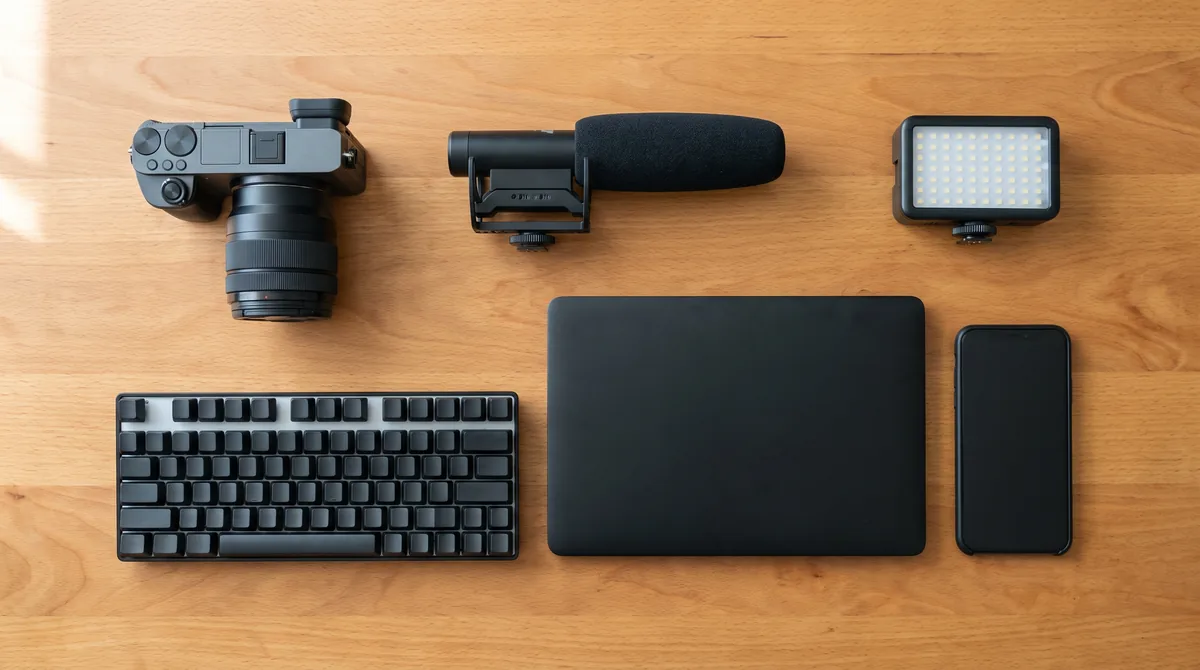
Tech creators feel this most. A typical month of recommendations for a tech or camera channel covers accessories on Amazon, a camera body through a camera retailer, a microphone from the brand's own store, and software: the editor, an AI writing or transcription tool, the web host. The software programs are often the best payers because many pay a share of the subscription every month the customer stays. None of it can sit on an Amazon storefront.
The break-even against a paid storefront
A paid storefront only makes sense if the income it adds is larger than its price. Here is the arithmetic with Favly Pro, which is $288 a year ($24 a month billed yearly, or $49 billed monthly) and takes no cut of affiliate commission. Rates below are illustrative, because Amazon shows your category rates inside your account rather than on a public page.
- Recovering Amazon-only clicks does not pay for it by itself. If your blended Amazon rate were 3%, $288 equals about $9,600 of extra Amazon sales a year. A creator whose list is all on Amazon should not pay for a storefront to show Amazon products.
- Adding one recurring software referral changes the math. A $30 a month tool paying 30% recurring is $9 a month, or about $108 a year, for as long as the customer stays. Three such referrals that stick for a year cover the plan.
- Retailer gear adds up faster than people expect. One camera body sold through a camera retailer's program can be worth more than a month of Amazon accessories, and it was never going to appear on an Amazon page.
So the honest rule is simple. Keep the free Amazon storefront when your list is Amazon. Pay for a storefront when your list is not, and judge it by the non-Amazon income it lets you collect, not by the Amazon clicks.
What you pay for on a paid storefront
Paid creator storefronts differ, so compare them on the four things the Amazon storefront cannot do rather than on templates.
- Any affiliate link. Amazon items under your Associates tag next to retailer, brand and software links. Your Amazon commission is unchanged, because Amazon still pays you directly.
- Earnings per link. Amazon reports Amazon. Your other programs report separately. Favly Pro imports each program's commission report and matches rows to the link that earned them, so you can reorder by money rather than by clicks.
- A link you own. An amazon.com/shop link puts Amazon's domain in every description. A custom domain in front of your storefront means a future change is one DNS record, not 400 edited descriptions.
- Fees on commission. Check this line first. A storefront that takes a percentage of affiliate income gets more expensive as you grow. Favly takes none on any plan.
Small creators sometimes find that brand-paid posts move faster than storefront commission. If that is where your income is heading, brands hiring through a micro influencer marketing platform pay a flat fee per post, which is a different revenue line from anything a storefront earns, and the two work side by side.
Can I put non Amazon products on my Amazon storefront?
No. The storefront lists products sold on Amazon, and there is no field for an outside affiliate link. Creators with mixed lists usually keep the Amazon storefront for Amazon items and put one storefront that accepts any link in their bio, with the Amazon picks included there too. That way viewers find everything in one place and Amazon still pays you for the Amazon items.
Where to go from here
If you have decided your list has outgrown Amazon, our Amazon storefront alternative page compares the free storefront with Favly Pro line by line, using the same Amazon rules quoted here. If you are staying with Amazon for now, how to create an Amazon storefront covers setup after the April 2026 change, and Amazon affiliate commission rates explains what Amazon does and does not publish about category rates. For the software side of a tech list, recurring affiliate programs lists programs that keep paying after the first sale.
Monetize your recommendations with Favly.
Claim your favly.com/@you storefront, add the AI tools, gear and software you recommend, and let Favly attach monetized affiliate links labeled #ad so you earn when fans buy.
Keep reading